Prove the exploit. Ship the fix.
Add continuous, exploit-proven validation to your service. Staris handles the volume work between engagements — so your firm takes on more apps without headcount.


Staris doesn't just find vulnerabilities — it executes exploits against your client's running applications and confirms which ones are real. Your team stops triaging noise and starts shipping patches.
The Validation Gap
Finding potential vulnerabilities is now nearly free. Proving which ones are real still takes expert human time — so it gets rationed. Batched into one pentest a year, or piled into a queue your team can never clear. The gap between found and proven is where risk actually lives.
Staris closes it. Every finding is proven with a working exploit against your running application and ships with the patch that closes it — at your release cadence, not once a year.
How Staris Transforms Application Security Testing
From automated penetration testing to verified vulnerability reporting, discover how Staris delivers faster, more comprehensive security validation for your team.
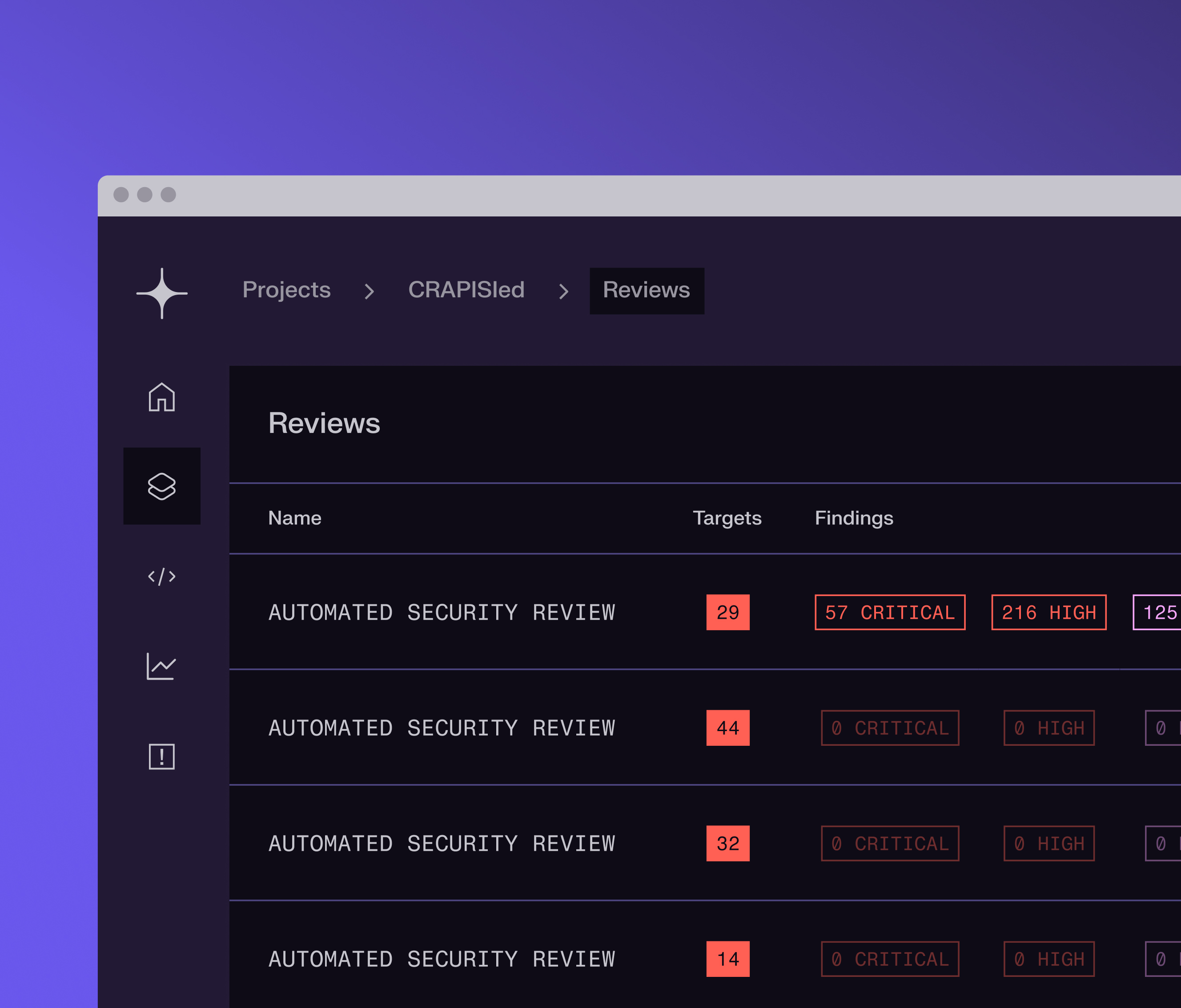
Staris ships every finding with proof of exploit, execution trace, and a PR-ready patch. Your team hands clients verified results — not scanner output that needs interpretation.

Source-aware validation in your client's business context means your team never investigates an unconfirmed finding. The exploit is the proof — fired against the client's real deployment.
Trusted by teams shipping secure software


Continuous, exploit-proven validation.
Every engagement runs on a monthly cadence with proof of exploit on every finding. Your firm sells continuous coverage instead of point-in-time pentest reports.

Deploys where your clients need it.
On-prem, VPC, or self-hosted — Staris fits the regulated and air-gapped environments your enterprise clients require. Internal LLM and customer-controlled infrastructure supported.

PR-ready patches, not just findings.
Source-aware validation in your client's business context means your team never investigates an unconfirmed finding. The exploit is the proof — fired against the client's real deployment.